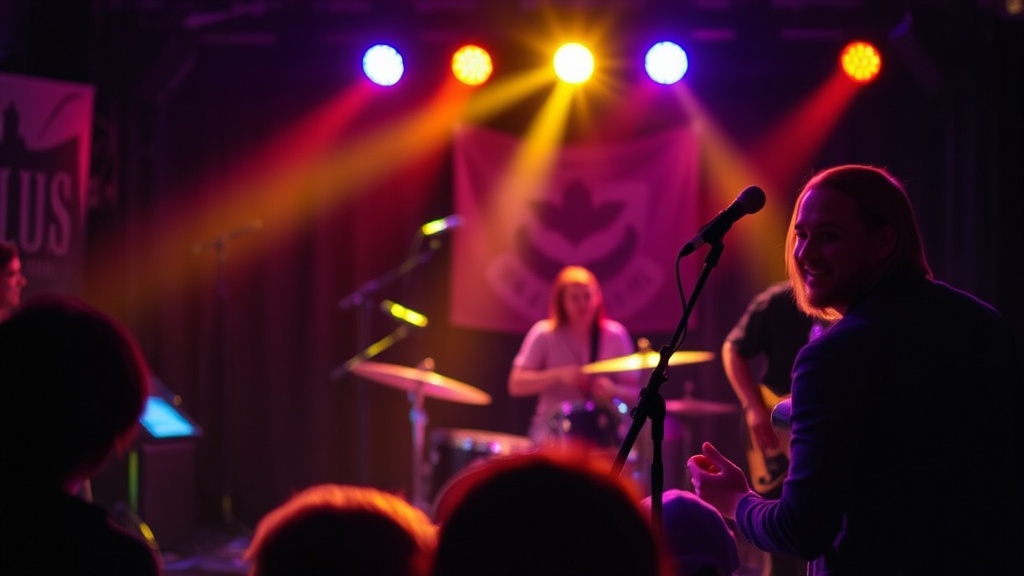
Finding Your Rhythm at Local Nova Scotia Music Jams

Are you looking to get more involved in the local music scene without the pressure of a formal rehearsal or a high-stakes stage performance? This guide breaks down how to find, join, and enjoy local music jams across Nova Scotia, from the pubs of Halifax to the community halls in the Annapolis Valley. You'll find out where these sessions happen, what gear you actually need, and how to act like a local rather than a tourist.
What is a Music Jam in Nova Scotia?
A music jam is an informal gathering of musicians who come together to play music, often following a loose structure or simply playing by ear. In our part of the world, these sessions are the backbone of Atlantic Canadian culture. They aren't polished concerts; they're living, breathing conversations between instruments. You might see a fiddle player, a guitarist, and a bodhrán player sitting in a circle at a corner table in a pub, or a group of folk singers in a small community hall.
These sessions range from highly structured "trad" sessions—where there are unwritten rules about when to join in—to completely free-form jams. It's a way to sharpen your skills, meet people, and keep the local musical heritage alive. If you've ever wondered where to find real community in Nova Scotia's small towns, the local music jam is often the answer.
The beauty is the lack of a barrier to entry. You don't need a ticket or a reservation. Often, you just show up, find a spot, and listen for a bit. It's a low-pressure way to get back into playing after a break.
Where Can I Find Local Music Jams in Nova Scotia?
You can find local music jams in pubs, community halls, legion halls, and even certain coffee shops throughout the province.
The location usually dictates the vibe. If you're in the Halifax Regional Municipality, you'll likely find more diverse, genre-spanning jams in established pubs. If you head toward the South Shore or the Valley, you're more likely to encounter traditional Celtic or bluegrass sessions in community halls or local pubs. Here are the most common spots to look:
- Pubs and Breweries: These are the most common venues for evening jams. The atmosphere is lively, and there's usually a drink in hand.
- Legion Halls: Many towns across the province still host weekly or monthly music nights at their Royal Canadian Legion branches.
- Community Halls: These are the heart of rural music. They are often much more formal in terms of seating but very relaxed in terms of the music itself.
- Coffee Shops: Great for acoustic sessions and a quieter, daytime vibe.
Don't just rely on Google Maps. The best way to find a jam is to check the community boards at your local grocery store or ask the bartender at your favorite local haunt. Often, the most authentic sessions aren't even advertised online—they just happen.
What Gear Do I Need to Bring to a Jam?
You should bring an instrument that is easy to transport and appropriate for the setting, along with any necessary accessories like a tuner or a small amp.
The "right" gear depends entirely on the venue. A small acoustic guitar or a fiddle is perfect for almost any setting. However, if you're planning to play in a slightly louder pub environment, you might want a small, portable amplifier or a decent DI box to plug into the house system.
Here is a quick checklist of what to keep in your gig bag:
- Your Instrument: Make sure it's in good working order.
- Tuner: Essential for staying in key with the group.
- Extra Strings: Because things happen.
- Small Amp or DI Box: If you're playing something that needs a bit of volume.
- A Small Music Stand: Helpful if you're playing something more complex, though many folk players play by ear.
One thing to remember: don't be the person who brings a massive, heavy drum kit to a tiny corner pub. It's a quick way to make yourself unwelcome. Keep it light, keep it portable, and be ready to move if the space gets crowded.
| Instrument Type | Typical Setting | Volume Level | Ease of Entry |
|---|---|---|---|
| Acoustic Guitar | Pubs/Coffee Shops | Low to Medium | High |
| Fiddle/Tin Whistle | Traditional Sessions | Medium | Medium |
| Mandolin/Banjo | Bluegrass/Folk Jams | Medium | High |
| Percussion (Bodhrán) | Trad Sessions | Low to Medium | Medium |
If you're a beginner, stick to something acoustic. It's much easier to blend in when you aren't fighting the room's acoustics.
How Do I Join a Jam Without Being Awkward?
The best way to join a jam is to arrive early, listen for a while, and ask the organizer or a seasoned player for permission to join in.
The biggest fear for most people is the "awkwardness" of jumping in. It happens to everyone. The trick is to not treat it like a solo performance. You're there to support the collective sound, not to show off.
First, find a spot to sit and just listen. Don't pull out your instrument and start tuning immediately—that can be distracting. Watch the rhythm. See what key they are playing in. Once you feel the pulse of the room, look for a natural break in the music. A simple, "Is there room for a [your instrument]?" to the person sitting nearby is all you need. Most people will be incredibly welcoming.
If you're feeling nervous, remember that these sessions are built on community, not competition. If you make a mistake, laugh it off. It's part of the charm. It's also worth noting that even if you don't play, just being there and supporting the musicians is a huge part of the culture. Many people show up just to listen and enjoy the atmosphere.
Sometimes, the music can get a bit intense or loud—especially in a pub. If you're traveling through the province, remember to plan your route and watch the weather, as some of these rural sessions might be a bit of a drive through winding roads or foggy stretches.
If you're a seasoned player, your job is to make space for the newcomers. If you see someone looking a bit hesitant, invite them in. That's how the tradition stays alive.
Don't worry about being the best player in the room. You aren't there to audition for a record label. You're there to play music with your neighbors. Whether you're playing a worn-in Martin guitar or a beginner-level ukulele, the goal is the same: connection through sound.