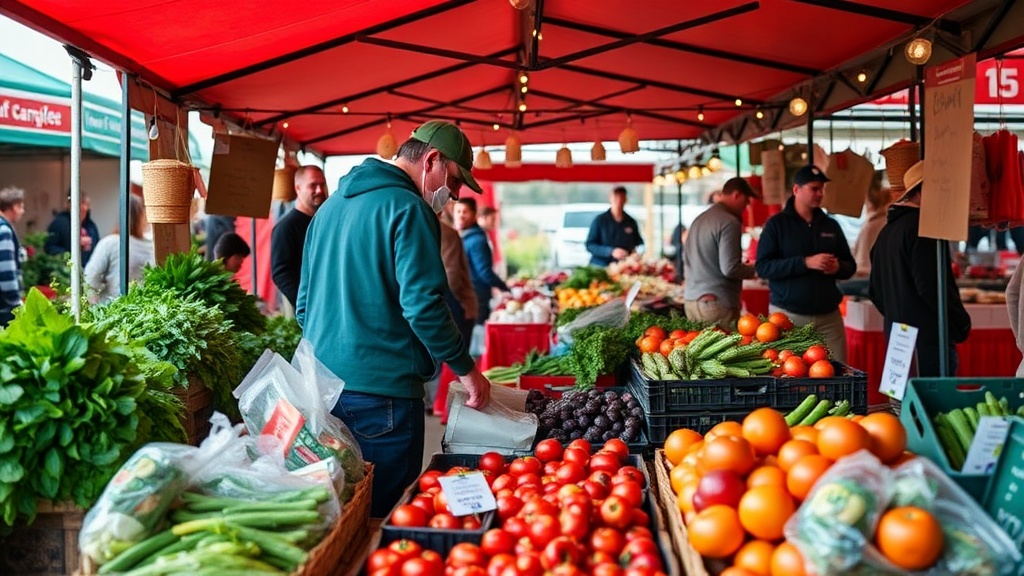
Nova Scotia Farmers Markets: A Year-Round Guide for Local Shoppers

What this post covers
Nova Scotia farmers markets operate year-round—you don't have to wait for summer to find fresh local produce, handmade goods, and community connections. This guide maps out where to shop across every season, what to expect at different times of year, and how to make the most of your visits. Whether you're a longtime resident or new to the province, knowing your local market schedule means better food, stronger community ties, and a more sustainable way to shop.
Which farmers markets in Nova Scotia are open year-round?
The Halifax Seaport Farmers' Market, Wolfville Farmers' Market, and Lunenburg Farmers' Market all operate through every season. Here's the thing—winter markets aren't just smaller versions of summer ones. They've evolved into serious shopping destinations with heated indoor spaces, dedicated vendors, and loyal regulars who know that Nova Scotia produce doesn't stop in October.
The Halifax Seaport Market runs Saturday mornings year-round at 1209 Marginal Road. It's the largest in Atlantic Canada—over 250 vendors spread across a converted warehouse with waterfront views. In winter, you'll find root vegetables, greenhouse greens, preserved foods, and crafts. The building stays warm, there's plenty of parking, and the coffee shops nearby (try the Local Source Market café just down the street) make it a full morning out.
Wolfville's market operates year-round too—Saturdays from 9 AM to 1 PM at the Acadia University Athletix Centre. It's smaller (roughly 50 vendors) but deeply rooted in the Annapolis Valley agricultural community. Valley farmers bring storage crops, meats, and dairy through the coldest months. The catch? You need to arrive early for the best selection—serious shoppers show up at opening.
Lunenburg rounds out the year-round options, running Thursdays from 8 AM to 1 PM at the Lunenburg Community Centre on 13 Cornwall Street. It's intimate—maybe 25 vendors—but the quality is exceptional. The fishermen's cooperative nearby means fresh seafood to pair with your market vegetables.
| Market | Location | Days | Season | Vendor Count |
|---|---|---|---|---|
| Halifax Seaport Farmers' Market | 1209 Marginal Road, Halifax | Saturday 7 AM–3 PM (winter hours vary) | Year-round | 250+ |
| Wolfville Farmers' Market | Acadia Athletix Centre | Saturday 9 AM–1 PM | Year-round | ~50 |
| Lunenburg Farmers' Market | 13 Cornwall Street | Thursday 8 AM–1 PM | Year-round | ~25 |
| Truro Farmers' Market | 15 Young Street | Saturday 8 AM–1 PM | May–December | ~40 |
| Sydney Farmers' Market | 362 Keltic Drive | Saturday 8 AM–1 PM | May–October (indoor winter pop-ups) | ~35 |
What can you actually buy at Nova Scotia markets in winter?
More than you'd think—root vegetables, storage crops, greenhouse greens, preserved foods, meats, dairy, seafood, and artisan goods. The selection shifts, but it doesn't disappear. Nova Scotia's agricultural community has adapted to four-season selling.
Winter markets in Nova Scotia focus on what stores well. You'll find potatoes from Porter's Lake farms, carrots and beets from the Annapolis Valley, cabbage, turnips, and parsnips piled high at stalls. Greenhouse operations—like those at Hatfield Farms in the valley—bring fresh lettuce, spinach, and herbs even in January. It's not the abundance of August, but it's honest, local food.
Meat and dairy vendors keep steady hours year-round. Beef from Nova Scotia cattle farms, pork from operations in Colchester County, lamb from Cape Breton—it's all there. The cheese selection is particularly strong; look for products from Fox Hill Cheese House in the valley or That Dutchman's Cheese Farm in Economy. These aren't imported—the milk comes from Nova Scotia dairy herds.
Preserved goods become their own category in winter. Jams, pickles, fermented vegetables, honey, maple syrup—these vendors keep our community eating locally when the ground is frozen. Worth noting: many preserves are made from summer produce that would otherwise go to waste. Buying them supports the entire growing season.
How do seasonal markets fit into the Nova Scotia shopping calendar?
From May through October, the number of active markets in Nova Scotia roughly triples. Truro, Sydney, Kentville, Bridgewater, Yarmouth, New Glasgow—all launch outdoor or expanded indoor markets. The season builds slowly: spring markets feature seedlings and early greens, summer brings the full harvest explosion, and fall focuses on storage crops and preparation.
Spring markets (May–June) are about potential. Nova Scotia gardeners buy tomato starts from vendors like Annapolis Seeds, pick up seed potatoes, and grab the first asparagus and rhubarb of the year. It's a smaller selection—don't expect August abundance—but what you find is precious after a long winter.
Summer markets (July–September) are what most people picture. Tables overflow with Nova Scotia tomatoes, corn, berries, peaches, peppers, and everything else our climate produces. The Halifax Seaport Market swells to capacity; smaller markets like the one in New Glasgow's Carmichael Street parking lot burst with seasonal energy. This is when you buy in bulk—flat boxes of blueberries for freezing, bushels of tomatoes for canning.
Fall markets (October–December) shift to storage and celebration. Pumpkins, squash, apples, and the last of the fresh greens. Vendors sell Christmas wreaths, baked goods for the holidays, and gift items. Many seasonal markets hold their final markets just before Christmas—check local schedules because dates vary by town.
What makes shopping at Nova Scotia markets different from grocery stores?
You buy directly from the person who grew, raised, or made the product. That's the fundamental difference—and it changes everything about the transaction. Questions get answered. "When was this picked?" "What variety is this?" "How do I cook this cut of meat?" The vendor knows because they did the work.
The economic impact stays local. When you buy a $5 bag of Nova Scotia carrots at a farmers' market, most of that money returns to the agricultural community. Research on farmers' markets consistently shows that local food systems retain more wealth in communities than conventional retail chains. In Nova Scotia—where rural economies need support—this matters.
That said, markets aren't always cheaper. You might pay more for Nova Scotia free-range eggs than conventional grocery store eggs. The trade-off is freshness, transparency, and supporting farming practices that align with your values. Some items—like in-season vegetables at peak harvest—actually cost less than supermarkets because there's no shipping, no middleman, no packaging markup.
How do you find and handle Nova Scotia's smaller community markets?
Not every Nova Scotia market has a website or social media presence. The Farmers' Markets of Nova Scotia Association maintains a directory, but it's worth checking municipal websites and community bulletin boards for the most current information. Many small towns—Think Shelburne, Liverpool, Windsor—run markets that operate just a few hours weekly and rely on word-of-mouth.
The catch? Smaller markets can have irregular schedules. Weather cancellations happen. Vendors sometimes don't show if they've sold out at a larger market earlier in the week. Call ahead for rural markets, or follow local Facebook groups where vendors post updates.
Some hidden gems: The Mahone Bay Farmers' Market runs Fridays from May through October in the arena parking lot—small but excellent for seafood and baked goods. The Antigonish Farmers' Market operates Saturdays at the People's Place Library, with strong representation from local Mennonite farms. The Pictou County Farmers' Market in New Glasgow has a dedicated following for its meat vendors and prepared foods.
Practical tips for shopping Nova Scotia markets
Bring cash—though most vendors now accept e-transfer or cards, cash speeds transactions. Bring reusable bags; Nova Scotia's plastic bag ban means vendors charge for paper bags. Arrive early for best selection, especially for popular items like fresh eggs or limited-supply meats.
Chat with vendors. Ask what's coming next week. Request specific items—many Nova Scotia growers will set aside produce if you ask. Build relationships. The farmer who remembers your name is more likely to give you a heads-up when the first asparagus arrives or hold that perfect pie pumpkin.
Expect seasonality. Don't look for Nova Scotia tomatoes in March. Don't expect strawberries in September. The constraint is the point—eating with the seasons connects you to the agricultural cycle of this place. When you buy a tomato in August that was picked that morning, still warm from the field, you'll understand why the system works this way.
Winter markets need different strategies. Dress in layers—the Halifax Seaport building is heated, but some markets (like outdoor holiday markets) require real winter gear. Check closing times; winter hours often end earlier than summer. And remember: the vendors are standing there in the cold too. A little patience goes a long way.
Nova Scotia's farmers markets aren't tourist attractions—they're infrastructure. They're how our community feeds itself, how agricultural knowledge passes between generations, how rural economies stay viable. Show up consistently, buy what's in season, and you'll become part of something that outlasts any single shopping trip.